
Prepare ahead for possible emergencies
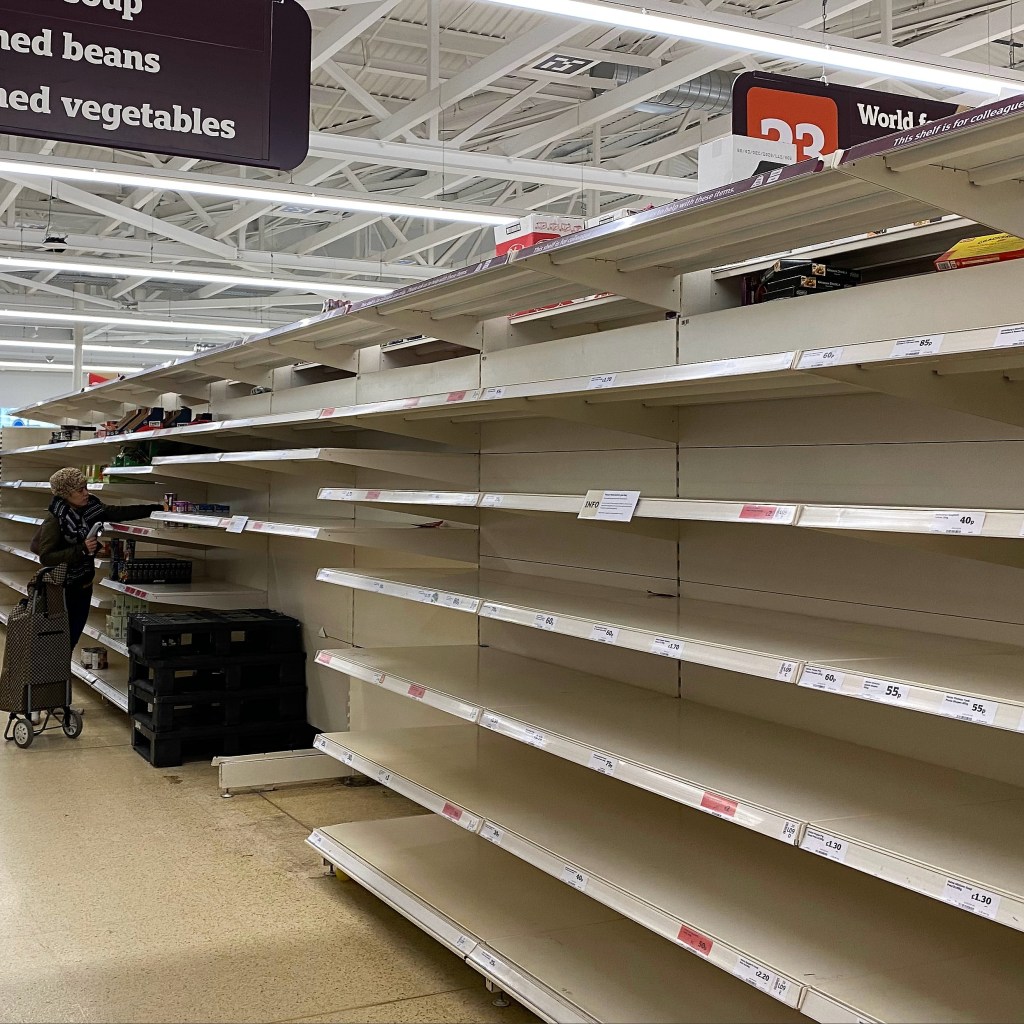
Singapore in February 2020, during the early days of Covid-19: Newspapers, the tv and social media were rife with visuals of overcrowded supermarkets, overflowing trolleys, near empty supermarket shelves and long lines for the cashier. Shoppers ‘mobbed’ the shops after the government announced that the emergency alert level had been raised to DORSCON (Disease Outbreak Response System Condition) Orange. Items such as toilet paper, rice, instant noodles, canned goods, and cleaning products flew off the shelves in record time.
Living in Singapore, most of us are probably ill-prepared for major disasters, be they natural or man-made. Most of the time, we can basically depend on the authorities to help us through emergencies. Just make a call, and the police, firefighters or medical help will arrive within minutes. But what happens when there is a large-scale catastrophe? Being a global business and tourism hub, we are not immune to security threats and epidemics. With a rapidly changing climate, severe weather events that were previously unheard of, can still hit our shores.
WHY YOU NEED TO PREPARE
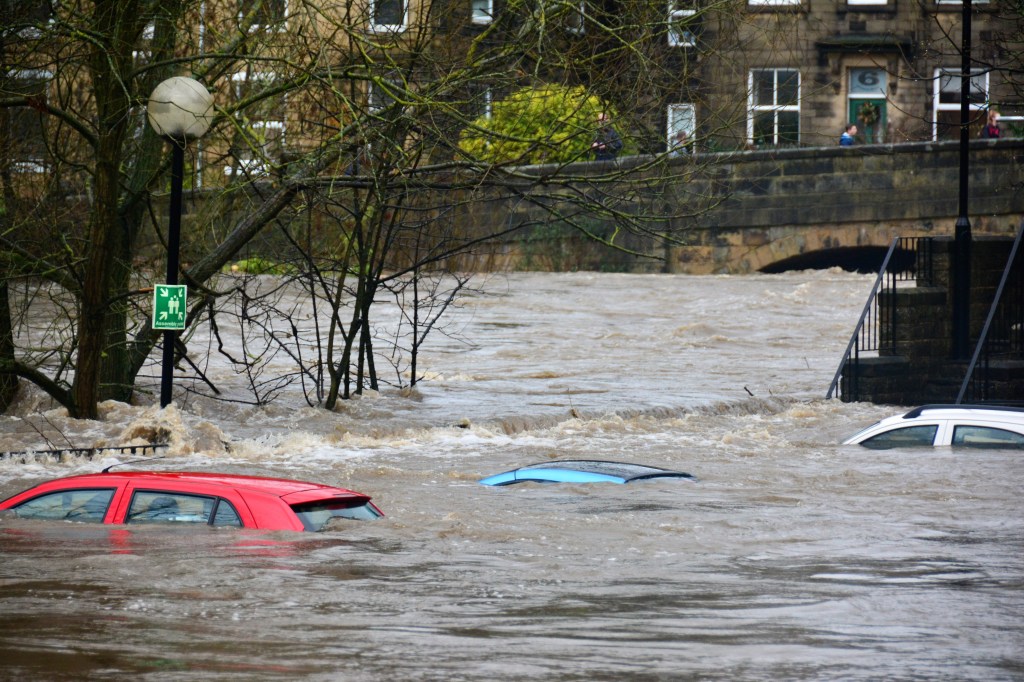
Nowadays, a lot of people don’t even need to visit the shops and supermarkets physically to get our grocery supply. Some of us don’t even bother with cooking at home because we can just stroll over to the food court or restaurant for our daily meals, or just order in. But what happens if there is an e-payment or Internet crash that goes on for days? People would rush to physically visit the shops in droves — rapidly resulting in chaos and food shortage. Or worse, there is sudden civil unrest or other major event — natural or man-made — and you need to shelter in place for days on end?
We should not just depend on the authorities to help keep us fed and safe all the time. We, as individuals, should also take steps to prepare for emergencies and take care of ourselves and our families, especially if there are young children, the elderly or less able members in the household. This will help to reduce the burden on emergency responders and allow them to focus on those in more urgent need of assistance.
WHAT CAN WE DO AS A CONSUMER
- Stay informed: Stay updated with reliable sources of information, such as official government announcements or trusted news outlets. Understand the situation and get accurate information. Do not get carried away by unverified and sensationalistic ‘news’ that only serve to create more fear and uncertainty.
- Plan ahead: Create a list of essential items we regularly need and try to maintain a reasonable stock of these items. Slowly build up our emergency stash so as not to panic later on.
- Stick to a budget: Even during a crisis, try to set a quick budget for our grocery shopping and stick to it. Panic buying often leads to overspending on items that may not be necessary. Having a budget helps us think rationally and prioritize our needs.
- Shop responsibly: When we go shopping, be considerate of others and purchase only what we genuinely need. Avoid hoarding or excessive buying, as it can create shortages and impact others who are also in need of essential items.
BASIC SURVIVAL KIT
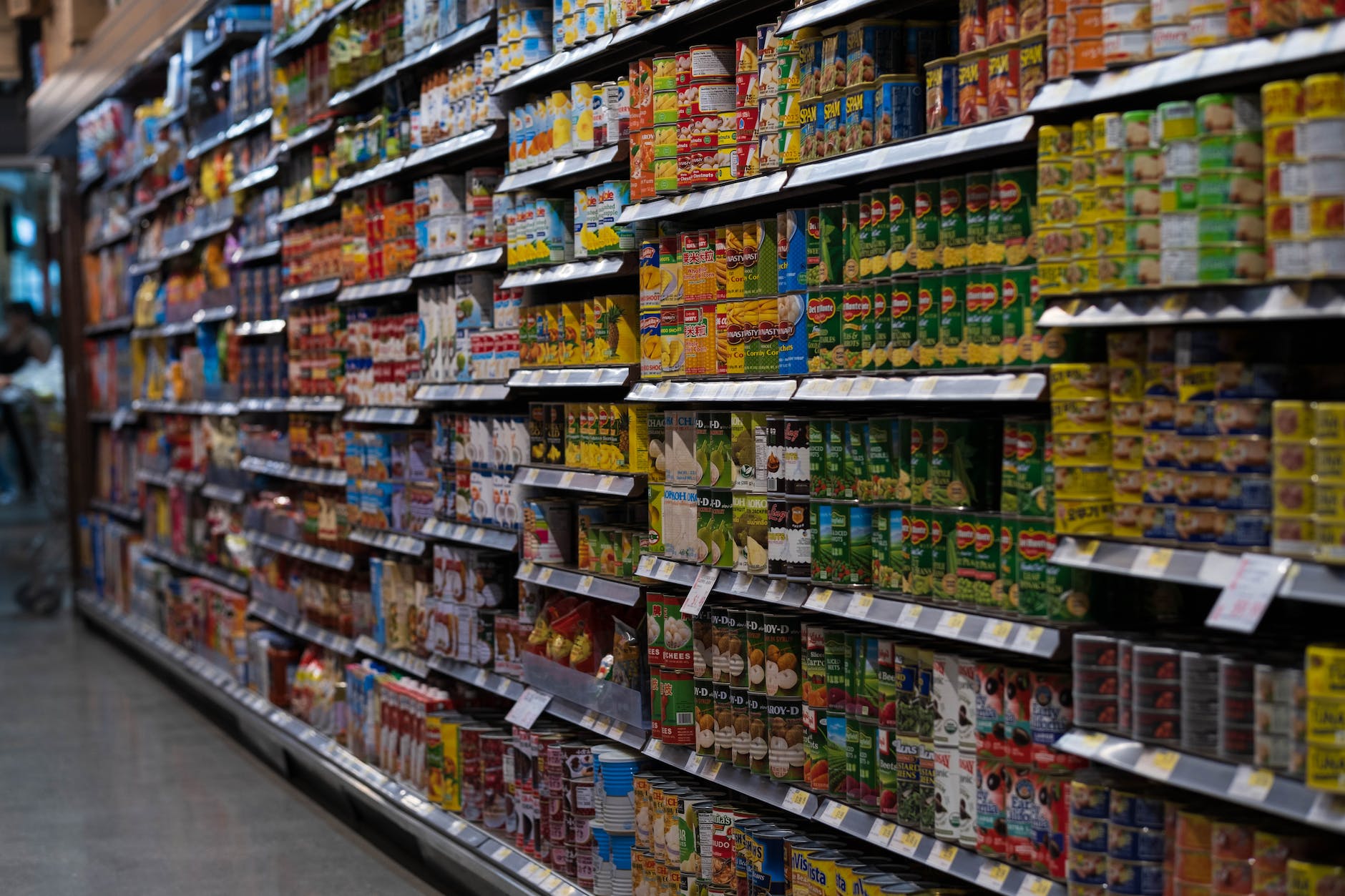
To avoid panic buying in times of crisis, it is helpful to maintain a reasonable stock of essential items that can last the whole family at least two weeks. Here are some items to consider stocking up on:
- Food/drink items with long shelf life: Bottled water, UHT milk, canned goods (sardines or other canned fish, beans, vegetables, fruits, soups, pasta sauce), instant noodles, pasta, rice, dried fruits, nuts, breakfast cereals, biscuits or other long-lasting snacks.
- Personal care and hygiene products: Toilet paper, tissues, hand soap, hand sanitizers, disinfectant wipes, menstrual products, toothpaste, face masks.
- Cleaning supplies: Disinfectants, laundry detergent, dishwashing soap, garbage bags.
- Medications and first aid supplies: Adequate supply of prescription medications (if needed), first aid kit, over-the-counter medications for common ailments like pain relievers, cough and cold medicines.
- Baby supplies, for families with infants or small children: Baby formula, diapers, wipes, baby food.
- Pet supplies: Pet food, cat litter, medications or any items that are regularly required.
Try to maintain at least two weeks’ worth of these items at home, but do not buy too much of anything to prevent wastage. Also, keep in mind that we are shopping for the present, and not just for any potential shortage. As such, the items we buy should also be for current consumption plus some extras. Regularly rotate the stock in our kitchen cupboards or pantry, and use up older items first, to avoid wastage. Don’t forget to keep those supplies where everyone in the family can easily access them.
Also, to make our life a bit easier if there is ever a time when we have to depend on only these items to survive, buy what we are familiar with and what the whole family would enjoy. For example, if we just cannot live without coffee or chocolates, maintain a steady supply of them. No point in making our life more miserable during a stressful time.
The next time we shop, do pick up an extra can or package of food with a long shelf life. Slowly build up our emergency supply to prepare for a potential shortage, but do not hoard items unnecessarily. Practice responsible shopping and consider the needs of others. By purchasing only what we need and maintaining a reasonable stock of essential items, we can help ensure that we will not be caught unawares in times of trouble, and our family need not go hungry.
Featured image above — Bare shelves at a supermarket in the United Kingdom in March 2020. The panic buying phenomenon could be seen in many places around the world during the early days of Covid-19, not just in Singapore. Image Credit: John Cameron (Unsplash).
Latest Posts
- The Benefits of Using Frozen Broccoli in Your Meals

- Blueberry Muffins (with video)

- Plastic Canvas Coaster (with Video Tutorial)

- How To Avoid Panic Buying
- Honey Joys (Cornflakes Cookies)


 LADLE AND THREAD